If you run a framing crew, nobody has to tell you where the day goes. Some of it goes to building — standing walls, setting lines, moving a structure up out of the ground. And some of it goes to everything that happens before building: sorting through material, culling what will not run right, trimming, adjusting, and solving the small problems raw material brings with it. Every crew leader knows the second pile of work exists. The question a panelized system raises is simple: how much of that second pile can be moved off your site entirely?
The truck arrives differently
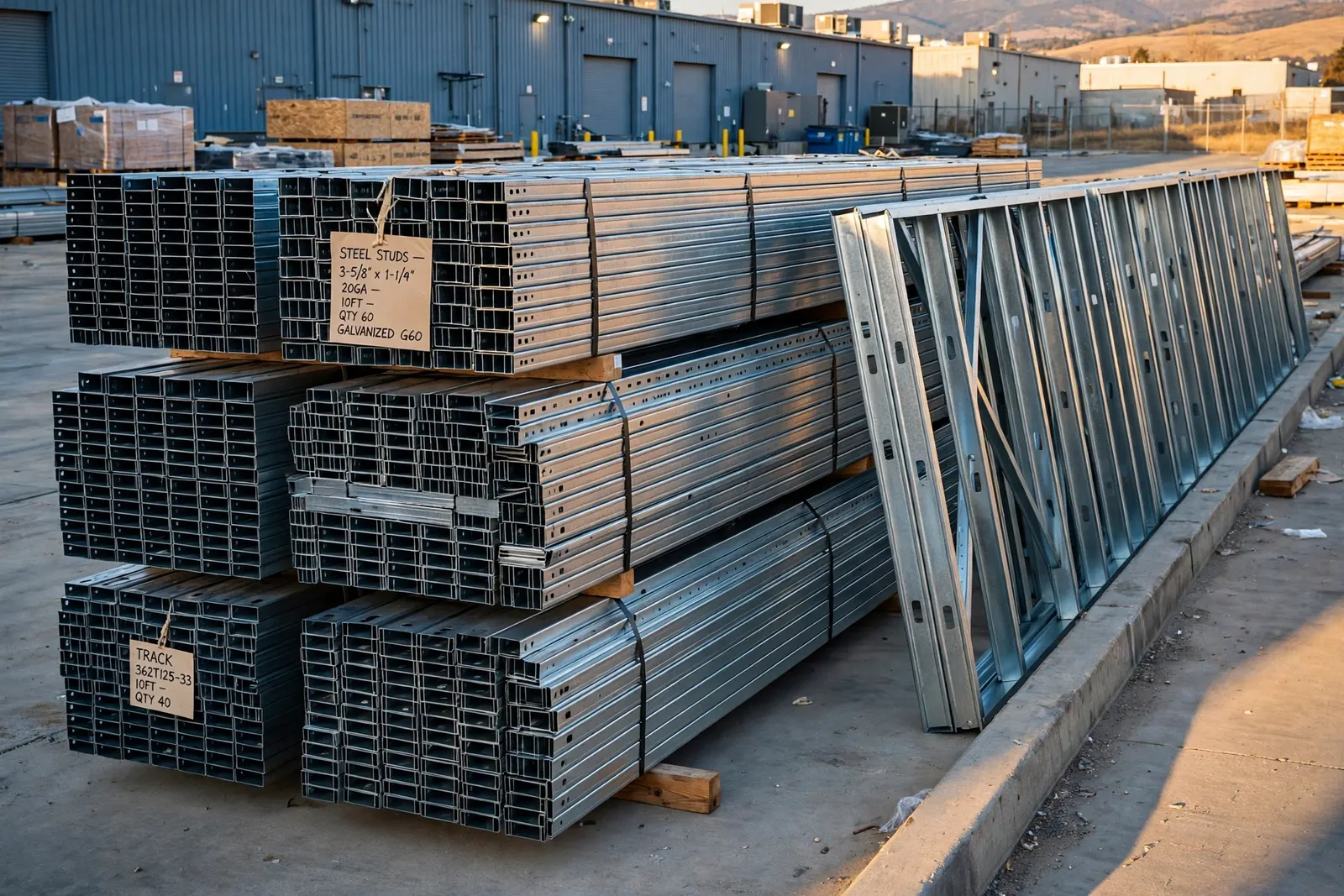
In the plan-to-panel workflow, your project's plans are modeled first, and the frame is manufactured from that model. What shows up on site is not a pile of raw stock. Panels arrive numbered and kitted — assembled wall panels built to the plans, with openings, blocking, and headers already in place. Alongside them come the field files: the documentation that ties each panel's number to its place in the building and to the planned install sequence. So the first hour of the framing stage looks different. Instead of a crew spreading out to sort and prep material, the lead is walking the kit against the files, confirming what is here, and putting the crew on the sequence.
Less of the work you hate
The factory has already done the measuring and the cutting, and it did them from the model rather than from a tape on a windy deck. That can mean a day with far less sorting and culling in it — not because material problems were wished away, but because the components were produced to the project's dimensions before they shipped. Field work shifts toward assembly: stand the panel, check it against the file, move to the next number. The judgment calls that remain are the ones that genuinely belong in the field — site conditions, sequencing with other trades, the thousand small reads an experienced lead makes without thinking. What shrinks is the unpaid second job of fixing material before you are allowed to build with it.
What does not change
Let us be plain about the limits, because crews smell overselling fast. A panel kit does not frame the building. Your crew does — with the same craft, the same attention to plumb and line, the same safety discipline, and the same responsibility for the result. The system also does not eliminate questions; it moves them earlier. Scope, labeling, delivery timing, and who owns field decisions all need straight answers before the first kit lands, not during it. And if your crew has never run panels, that is a normal starting point: NexGen's own published answers say your crew can install the system, and that training is available as part of getting a crew started. Experience with framing is the foundation; the kit is a different way of feeding it work.
Ask before the first kit
The crews who get the most out of a first panel project are the ones who treat the handoff as a conversation, not a delivery. What exactly is in scope? How is the kit labeled, and what do the field files show? What does the delivery sequence assume about your site? Who do you call when a panel and a plan disagree? Those are fit-review questions, and they are exactly what the project-fit conversation is for — a real job, its real plans, and your crew's real responsibilities on the table before anyone commits. If that sounds like a better way to start a framing stage than a truckload of surprises, bring a job and talk it through.