
On a single custom home, framing is a stage. On a multifamily or commercial program, framing is a system of repeated decisions — the same walls, the same details, the same crew questions, building after building and phase after phase. That repetition is where the real schedule risk lives. It is rarely one dramatic failure. It is small variance, compounded: material that behaves a little differently on every delivery, field problems solved a little differently by every crew, questions answered late because they were never asked early. A program can absorb one surprise. What it cannot absorb is the same surprise forty times.
Where schedule risk actually lives
Ask where framing schedules slip and the honest answers are usually upstream of the field. Scope that was assumed instead of defined. Details discovered during installation that should have been settled on paper. Material whose behavior varies enough that experienced crews build in buffer — in their bids, in their sequencing, in the promises they are willing to make you. None of that is a character flaw in any builder. It is what rational people do when the framing input is variable. As the developer, you feel it as a program-level fact: the framing stage is the part of the critical path you can influence least, because by the time problems appear, the decisions that caused them are months old.
Move the decisions upstream
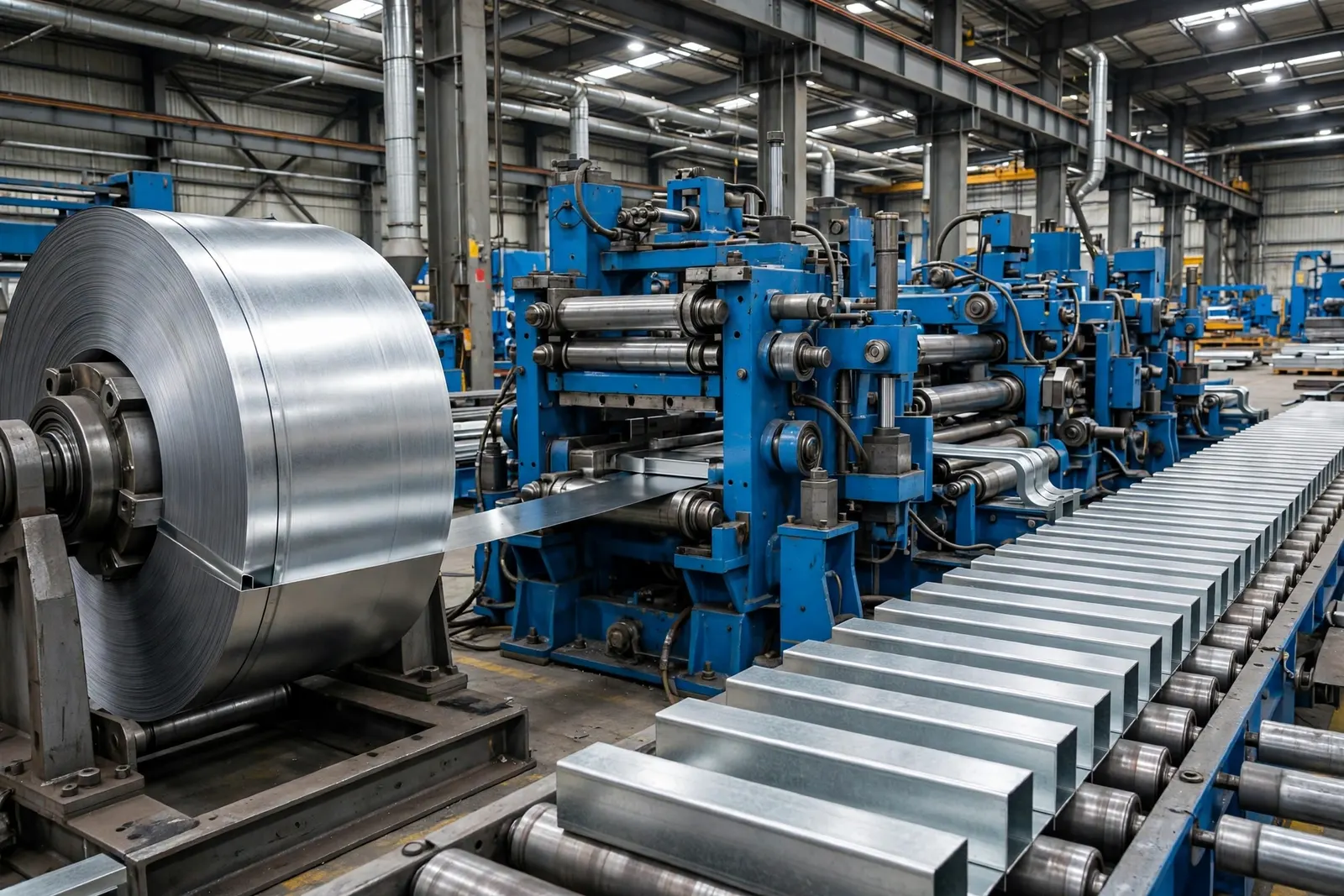
The plan-to-panel workflow is, at its core, a decision-moving exercise. The project's plans are measured and turned into a fabrication model. That model is reviewed — by you, your builder, and the NexGen team — while changes are still cheap. Engineering is handled as part of the process, with stamped drawings delivered as part of the package. Panels are then roll-formed from the model and delivered as numbered kits, in a planned sequence, with openings, blocking, and headers already in place. Framing scope stops being something discovered in the field and becomes something defined from the plans: what is included, what is engineered, what arrives, and in what order. The field still does the building. But the questions the field used to answer under schedule pressure were answered earlier, at a desk, where they belong.
Repetition is where consistency pays
For a program, the deeper argument is repetition. When the tenth building's frame is produced from the same modeling discipline as the first, the framing input can become one of the more controllable variables in the program rather than one of the least. Your builders work from field files instead of folklore. Your own team reviews a model instead of imagining one. Conversations with lenders, partners, and carriers can rest on documentation the process produces as a matter of course. None of that guarantees a schedule — no honest framing conversation can, and you should be suspicious of one that tries. What it can do is remove a whole category of self-inflicted variance, and leave the schedule exposed mainly to the risks you actually cannot control.
Start with one project, not the program
The right way to test any of this is not a program-wide commitment. It is one project: a real building, with real plans, run through a project-fit review. The review examines the project's requirements, scope, engineering path, and delivery picture, and produces a plans-based proposal your team can evaluate next to the conventional path. If the fit is wrong — wrong building type, wrong geography, wrong moment in the program — the review is where you find that out, before it costs anyone a season. If the fit is right, you have something better than a brochure claim: you have one documented project your whole program can learn from.
Bring the requirements. Start the review. Let the project's own evidence make the framing decision.